
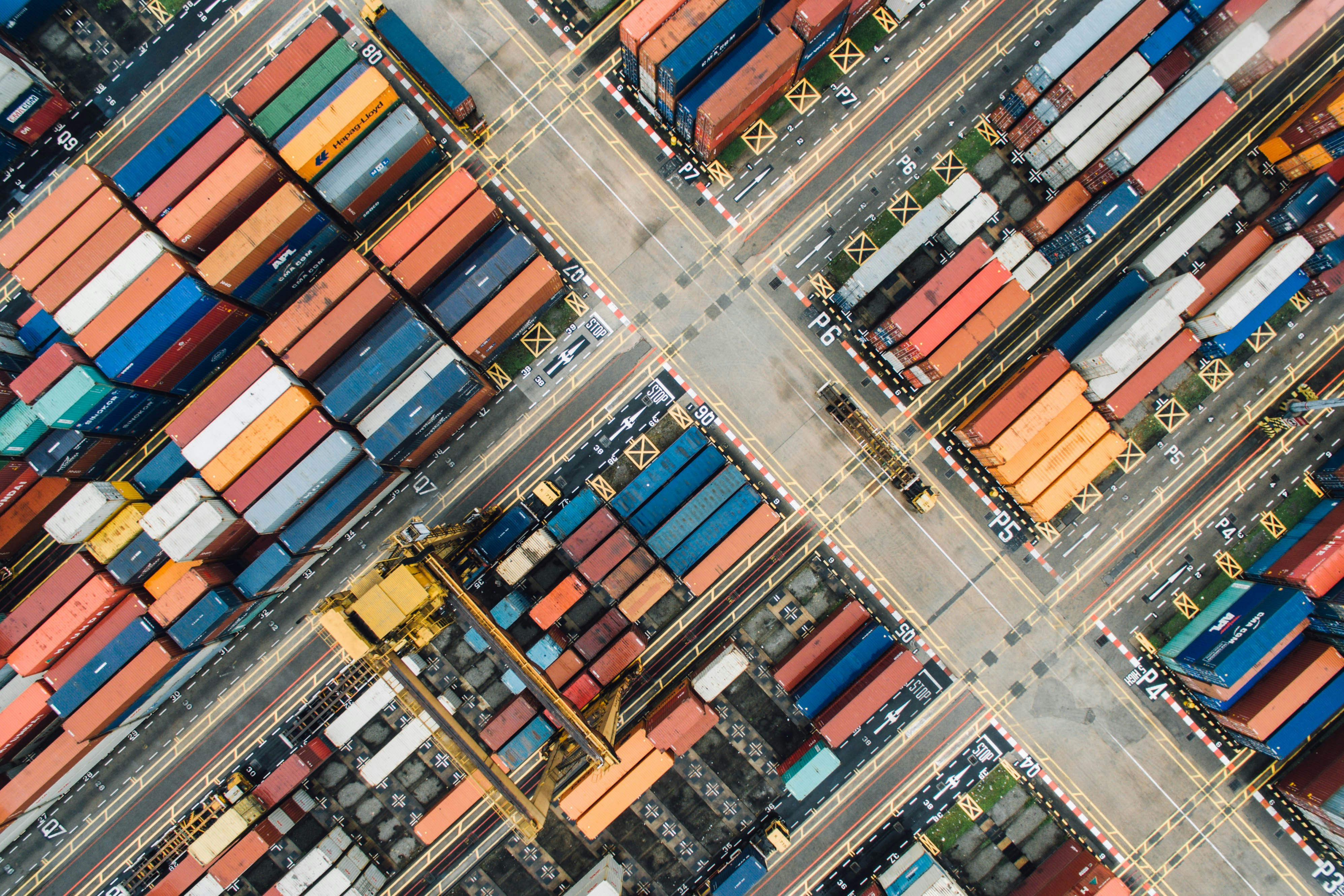
National governments have a duty to eliminate climate costs, including in trade relationships and related business activities, financial arrangements, and everyday outcomes. This is not just an advocate’s view or a wish; this is the law. The International Court of Justice found last year that national governments have a duty, inherent in the foundations of human rights and governmental legitimacy, to reduce the risk that their people will face climate harm and cost.
During the COVID-19 pandemic, many nations reacted to supply disruptions for basic needs by imposing steep tariffs, other trade controls, or by banning exports of food and medicine. It was the single most sudden and pervasive surge in trade limitations since the end of the Cold War. Since then, the use of sanctions, both targeted measures and blanket actions against nations, has expanded.
There are important reasons for all of this. In an emergency supply shortage, keeping basic needs filled can save lives and maintain political stability and national security. Meanwhile, as governments accumulated more de facto political power to act without legislative instruction or popular scrutiny, human rights abuses and state violence proliferated, alongside hunger and instability.
Targeted measures aimed at creating a counter-incentive found new meaning and were in high demand. This was especially true after Vladimir Putin’s regime launched an illegal war of conquest against a neighboring sovereign country and fellow UN Member State, Ukraine.
Trade restrictions have become a popular tool among national governments, to project power without arms and to attempt to effect domestic economic policy changes—addressing shortages and high prices—by pushing hardship offshore, so to speak. There are a number of myths involved in this thinking—not least of which is that it is the people of the country imposing the tariffs who pay them.
In the United States, there is also heated, crisis-level confusion about who has authority to impose tariffs. The President keeps claiming that authority, but he was recently rebuked by the Supreme Court, which reminded him that only Congress has tariff authority.
Article I, Section 8, of the Constitution of the United States grants Congress sole authority over tariffs and trade. The President is merely an implementer and can engage in negotiations; Congress needs to enact the new taxes for them to be real and lawful.
Some countries allow their Executive branch to unilaterally impose tariffs, disrupt and control trade relations, and alter prices; the most functional countries do not allow that. Trade is itself a way of expanding the reach of the non-zero-sum benefits of free enterprise. If more people can contribute new additional value, then overall exchange value and incomes can rise further, and the amount of labor required to fill basic needs goes down.
In principle, both sides of any trade relationship need to keep innovating to hold onto the benefits of that infusion of new value. Money chases opportunity, so if old jobs move elsewhere, innovative businesses and new kinds of cooperative finance need to move in to ensure a new ecosystem of talent and opportunity develops.
The further we get from the worst days of 2020—where mass death, total economic shutdowns, food insecurity, and trade freezes were spreading—the less reasonable it will be for anyone to seek to increase tariffs. There is one exception to that, however: Where it is possible to use border adjustments to price in the cost of climate pollution, negotiated or unilalteral trade controls and fees can support improved risk reduction, financial stability, and sustainable development.
We have entered the age of climate disruption and destabilization. We have entered the age of cooperative resilience measures to address human security imperatives. We have entered the age of political legitimacy defined by serving the most vulnerable effectively. We must ask: Who is succeeding and how, and who is failing, and why?
When governments do not use trade relations to foster enhanced climate-resilient entrepreneurship, at the micro, small, and medium scales, they reject mutually beneficial value enhancements that protect people and property, lower costs, and bolster incomes. All people have a right to know whether their government is getting these things right, and whether companies are enabled to compete fairly and optimally by benefitting from trade that favors climate resilience.
In the coming years, multidimensional metrics that reveal these hidden costs will become increasingly important. Insurers, agribusiness, and other kinds of business and finance institutions, are already developing internal assessments aimed at understanding supply-chain vulnerabilities or disaster-related risks. Attribution science has advanced to the point we can trace intentional acts and legal liability to specific destructive business activities.
Article 6, paragraph 8 of the Paris Agreement invites all nations to cooperate bilaterally and in groups to drive progress on reducing climate risk, building resilience, eliminating poverty and hunger, and supporting sustainable development. Aligning financial regulations and incentives, measuring the balance of hidden costs and co-benefits, and prioritizing climate-smart trade, are ways to do this.
We should be in a cooperative race to the best possible future, where winners prosper by reducing embedded climate costs for everyone.